
 Peglin


Peglin
Let us pay honour to the brave trainers dirtied upon desire paths
I’ve been playing indie roguelites in passing basically forever, enough to be aware of the general trends in the genre. Long gone are the FTLs, Nuclear Thrones, and The Binding of Isaacs of the world (okay well, that last one is still doing pretty good actually). Now, the big successes everyone wants to emulate are Balatro and Slay the Spire, mostly resulting in an uninteresting porridge of titles whose elevator pitch was probably “it’s like Balatro but, instead of being about poker, it’s about betting on horse racing” or whatever.
2024’s Peglin marked exciting new territory because, instead of being Balatro with a different form of gambling, it’s Slay the Spire with pachinko1! That’s slightly different!!! I thought it was incorporated decently, being well integrated into both combat and, charmingly, how you choose the path to take between levels - trying to land your ball in the specific hole corresponding to the room you want to move to.
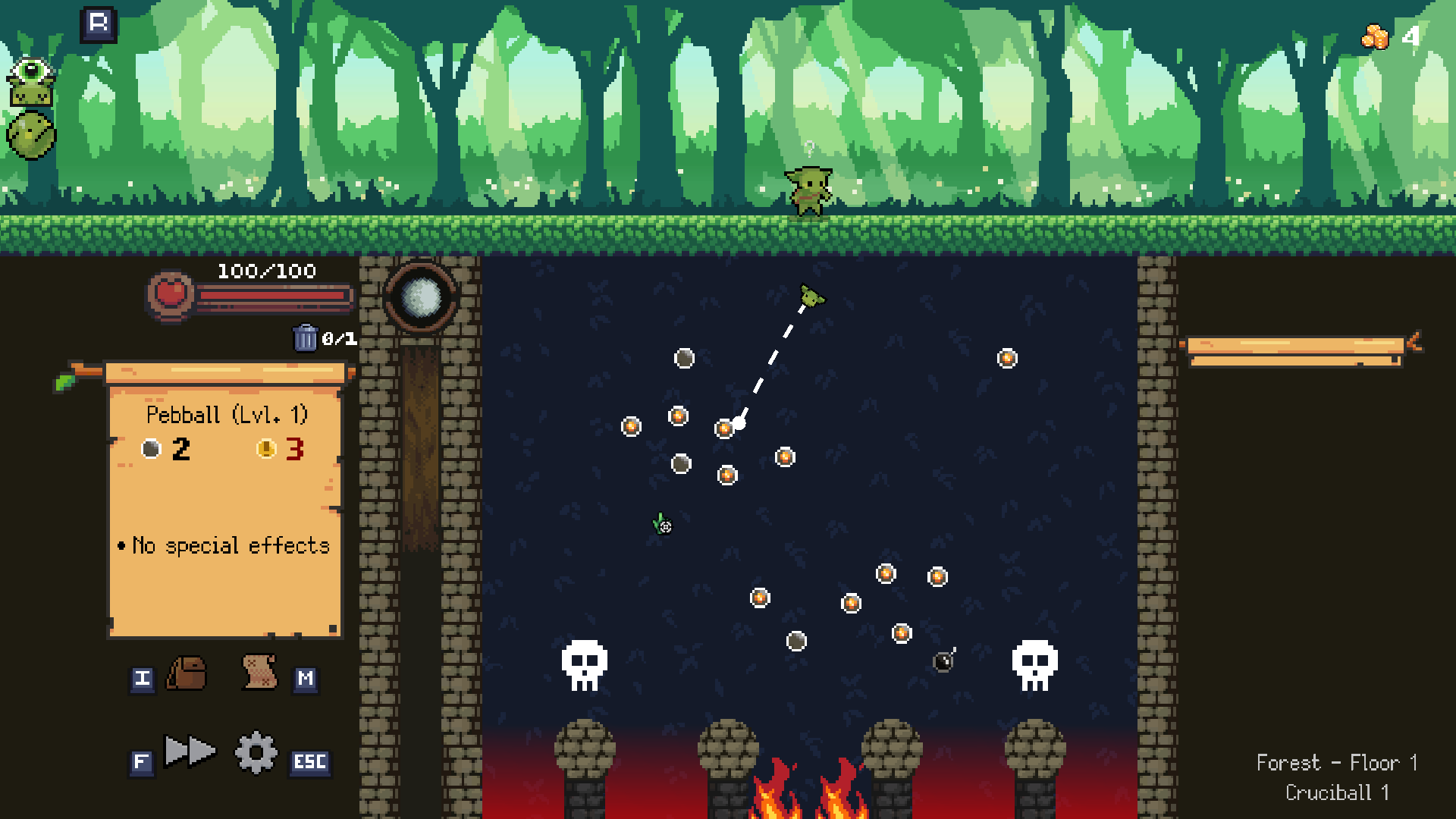 Fig.1 - Peglin’s level transition features bouncing a ball across the pegboard, with the hole it ends up in determining which room you move onto
Less thought seems to have been put into the framework that pachinko gimmick is built on, particularly with the lack of complexity ramping as the game fills the screen with meaningless and somewhat obtuse keywords as early as the first encounter. Outside of some genuinely lovely music, the game feels adequate but safe with its gameplay, setting, and art lacking any real identity, authorial voice, or otherwise standout characteristics.
The levels are nothing, the characters are all stock fantasy fodder, the game uncritically lifts many of its elements directly from Slay the Spire with little-to-no changes. What really sealed my philosophical issues with this game was that they spend time giving all of the keywords silly ball themed names but then refer to your collection of orbs as a “deck”. God forbid you call it something on-theme like a pouch or whatever. It’s a deck because it’s called a deck in Slay the Spire2. This game is fine but I knew it was going to be fine because I’ve played the games that did it first - recently3!
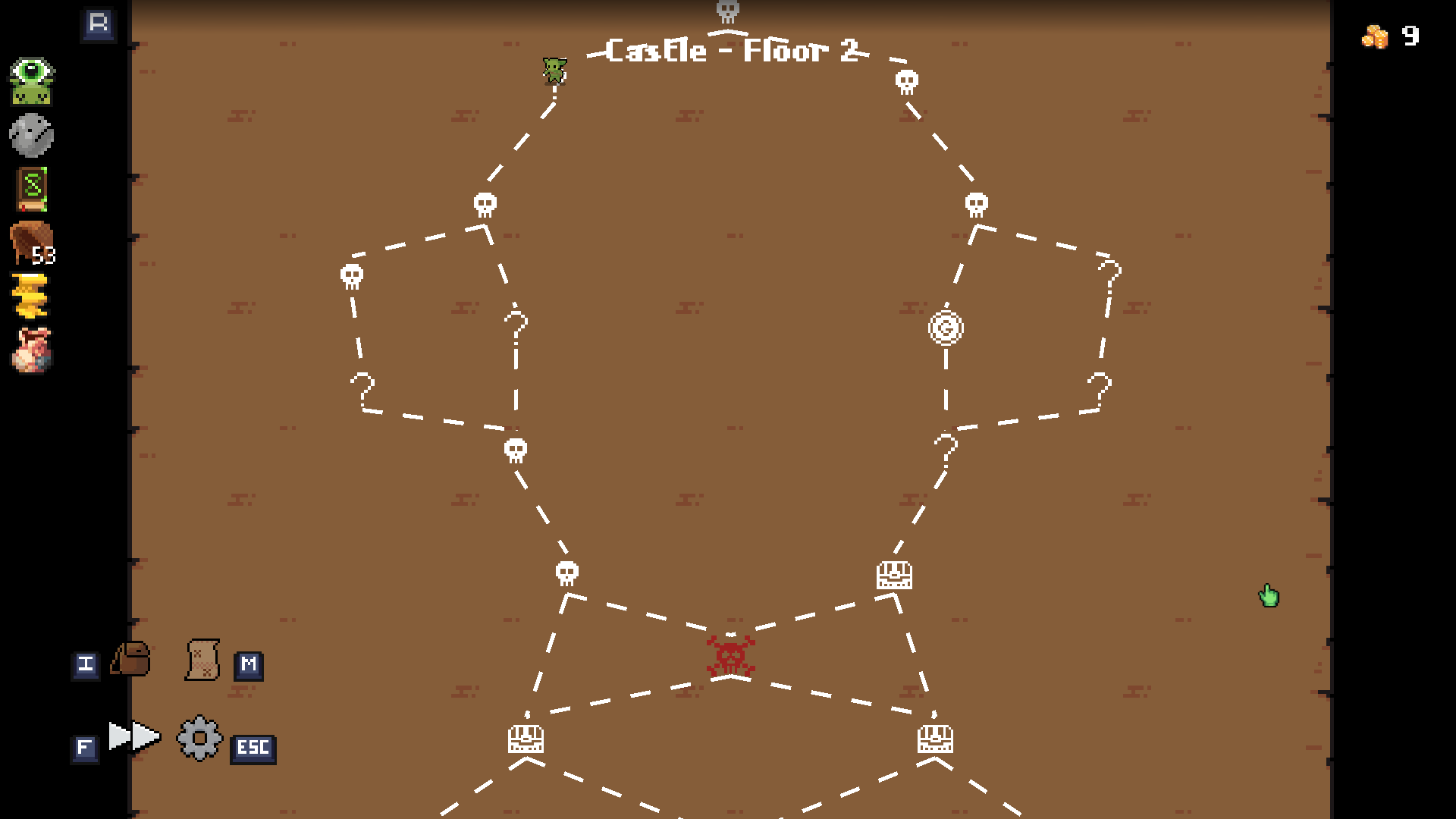 Fig.2 - In contrast to the cute gimmick for traversing it, the map uses the exact same room types and layout as Slay the Spire.
A lack of identity isn’t a unique issue to Peglin, instead feeling like a natural result of the “it’s like X meets Y” method of game ideation. It’s not impossible - Nubby’s Number Factory is a game with a very similar concept to Peglin while actually having a personality - but it’s certainly to be expected for most of these games. There’s something to be said about the dangers of “safe” in that it can very easily become “derivative”.
There’s genuine merit to the kind of design that takes existing motifs and mechanics and deploys them in various combinations to make something new. My issue here is that, across the roguelite genre writ large, I am not seeing the “something new”. Instead, we have an endless stream of games that do not and can not stand for themselves without evoking better games you’ve already played. I’m sure there are many people who enjoy playing games like Peglin4, but will any of them remember it in a decade the way they’ll remember the games it’s inspired by? Does it even matter? Does a game need to stand out or try to be memorable? You can find out by playing my new roguelike, which is sort of Art-Philosophy-Debates-meet-Balatro.
-
Peggle is obviously the main inspiration but they can’t say that in the tagline. ↩
-
Your permanent passive upgrades are called relics, which is slightly less egregious. ↩
-
Slay the Spire is only 5 years older than Peglin!!! ↩
-
I don’t just say this to couch my negative opinions about a video game during a time period where people tie their self worth to the media they consume and so feel obligated to self-consciously defend every single thing they like from any hint of negativity; working from a perspective more nuanced than “everyone who likes things I don’t is a backwards troglodyte” at the very least can help save us from wasting time arguing about matters of taste. ↩